Fall Time Change: Rules and Process
On the night of the last Sunday in October, the change from daylight saving time to Central European Standard Time takes place.
KW
On the night of the last Sunday in October, the change from daylight saving time to Central European Standard Time takes place.
 Illustration
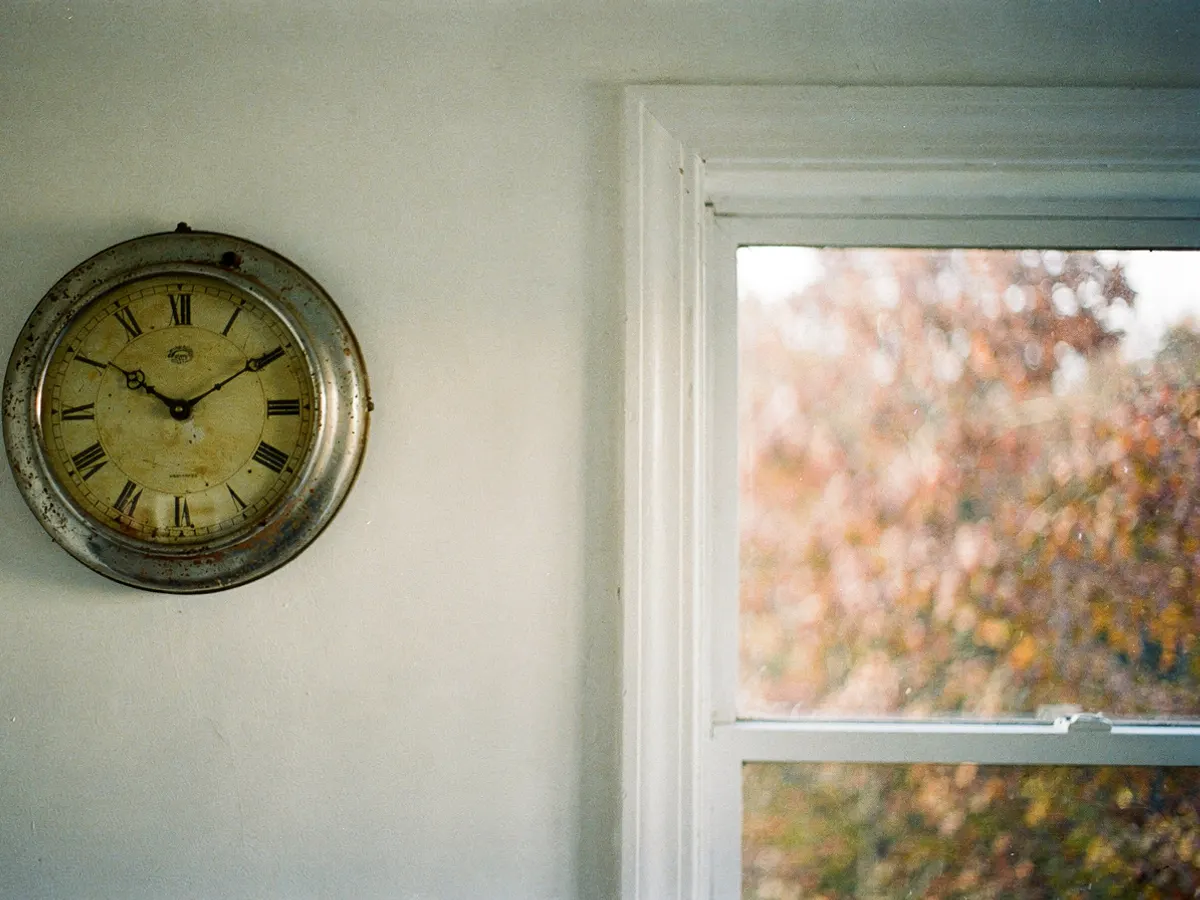
In Germany and the member states of the European Union, clocks are changed twice a year. Central European Summer Time ends on the last Sunday in October. The transition marks the return to Central European Standard Time, which is often referred to as winter time.
The official change takes place in the early morning hours. On the night of the last Sunday in October, the clock is turned back from 3:00 a.m. to 2:00 a.m. This step extends the night by one hour.
Radio-controlled clocks, mobile phones, and networked computers usually adjust automatically to the changed time signal. Manually operated wall clocks, wristwatches, and timepieces in vehicles and household appliances must be set by hand.
The return to standard time brings daylight earlier in the morning, while dusk sets in earlier in the afternoon. Some people's biorhythms react to this shift with temporary fatigue or poor concentration.
Special rules apply to train connections and air traffic during this night. Trains traveling during the duplicate hour between 2:00 a.m. and 3:00 a.m. often stop at suitable stations in order to proceed according to schedule.
We use strictly necessary storage to run this site. Analytics and advertising cookies are only set with your consent. Cookie Policy
Choose which optional cookies you allow. You can change your choice at any time.
Stores your choice and keeps the site working.
Anonymous statistics on which pages are read.
Lets partners show and measure ads.