Underwater archaeologists find millennia-old timbers in Arendsee
The relics, up to 10,500 years old, date to the Mesolithic and lay at a depth of around 20 meters.
The relics, up to 10,500 years old, date to the Mesolithic and lay at a depth of around 20 meters.
 Illustration
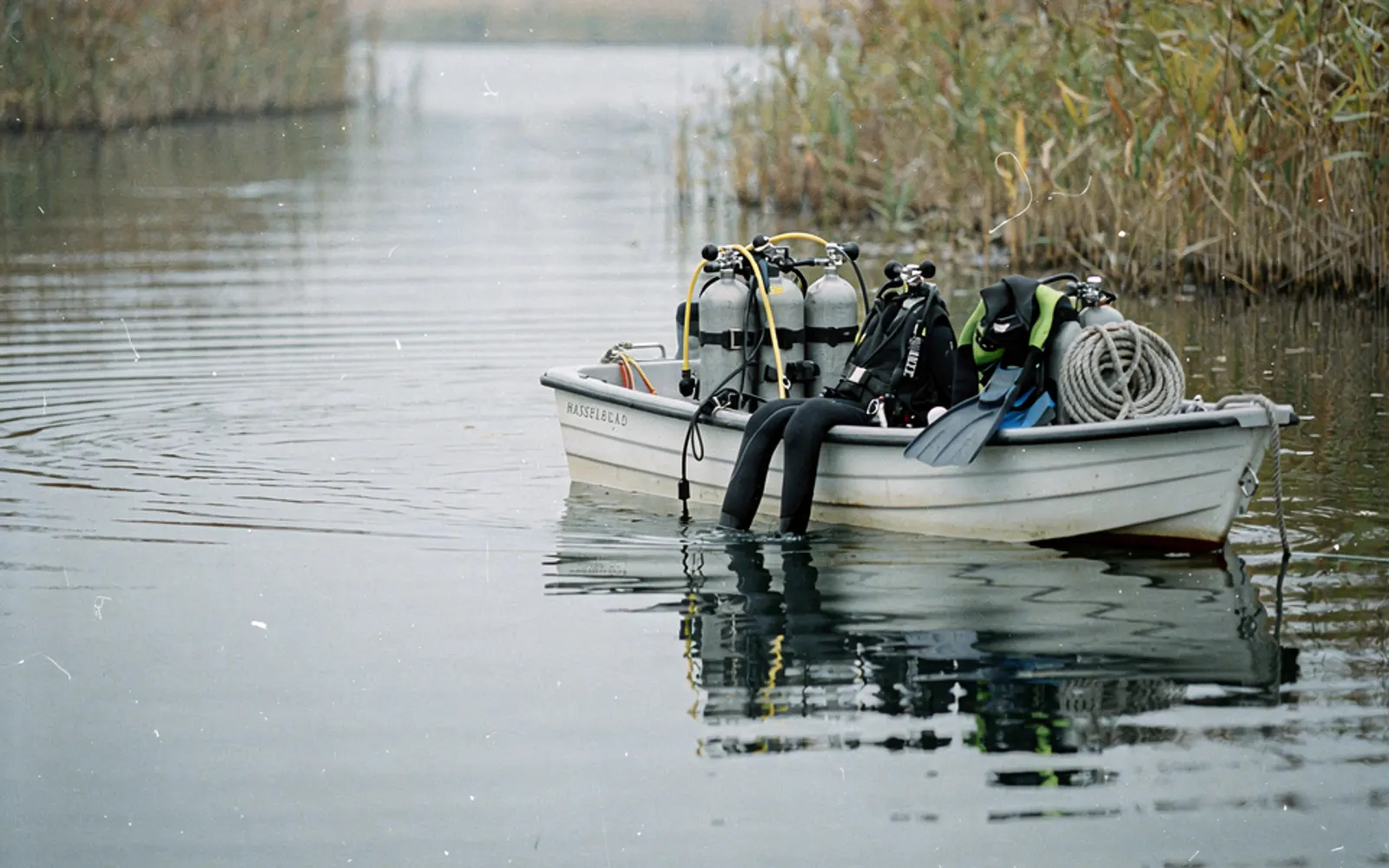
In Arendsee in the Altmarkkreis Salzwedel district, underwater archaeologists have discovered worked timbers up to 10,500 years old. The State Office for Heritage Management and Archaeology of Sachsen-Anhalt announced the discovery on September 30, 2026.
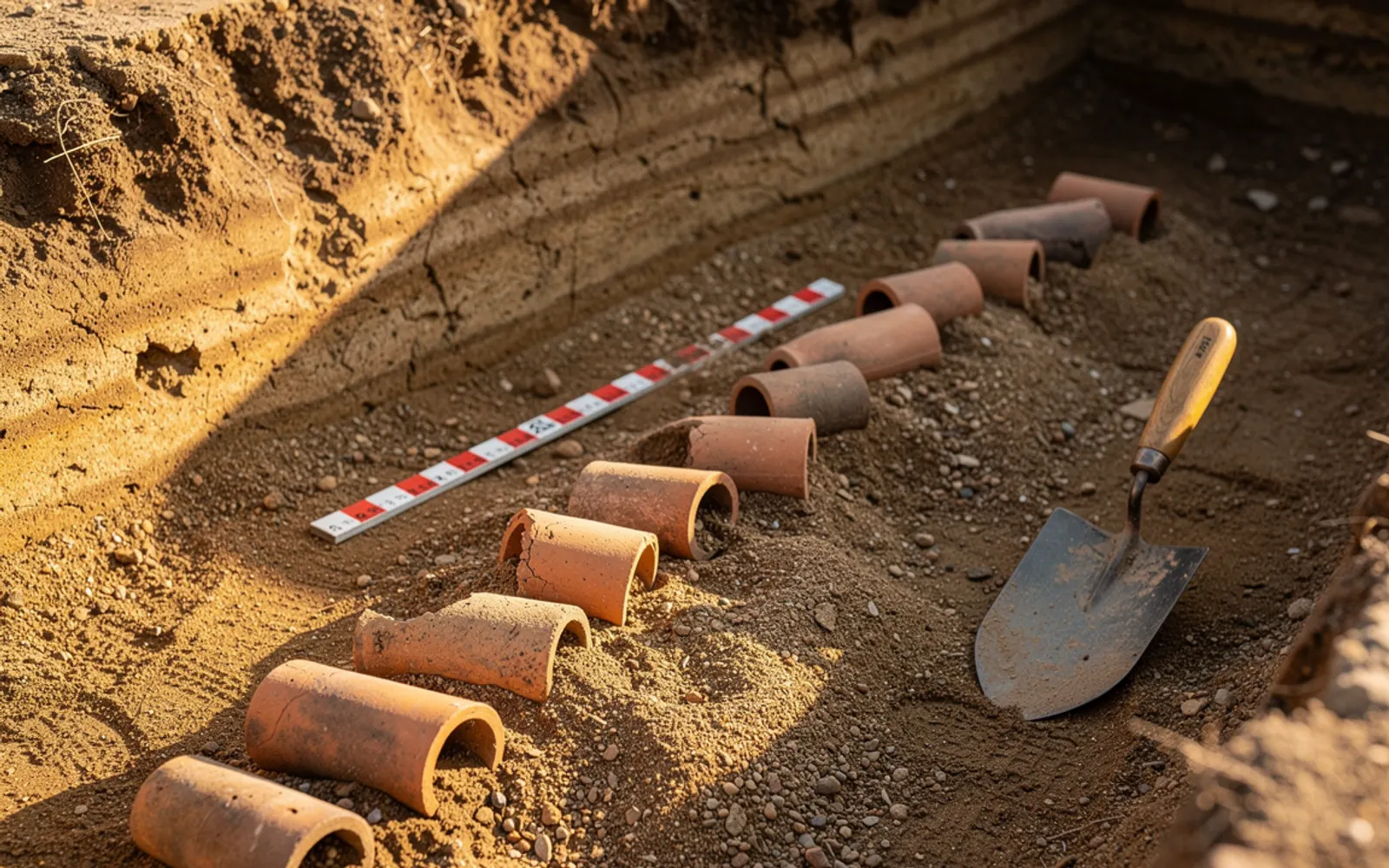
The finds date to the Mesolithic, when humans lived as hunters, gatherers, and fishers. Experts are still examining whether the relics are remnants of residential dwellings or previously unknown wooden structures. State Archaeologist Harald Meller said such timbers from this epoch are preserved only very rarely. Traces of buildings in central Germany are otherwise known solely as soil discolorations.
The preservation of the wood is linked to the geology of the body of water. The lake bed does not silt up, but slowly subsides over a salt dome. For this reason, the finds now rest beneath a thin layer of sediment at a water depth of around 20 meters.
Arendsee has drawn attention for archaeological discoveries in the past. During previous investigations, Neolithic fish weirs, a High Middle Ages barge, and a Late Middle Ages dugout canoe were recovered there.
This report is based on the sources above (in German). Spotted an error? Email desk@lindenpost.com or read our corrections policy.
We use strictly necessary storage to run this site. Analytics and advertising cookies are only set with your consent. Cookie Policy
Choose which optional cookies you allow. You can change your choice at any time.
Stores your choice and keeps the site working.
Anonymous statistics on which pages are read.
Lets partners show and measure ads.