Medieval water pipe discovered in former Posa Monastery
The fired clay pipes date from the 14th century and show the infrastructure of the complex.
The fired clay pipes date from the 14th century and show the infrastructure of the complex.
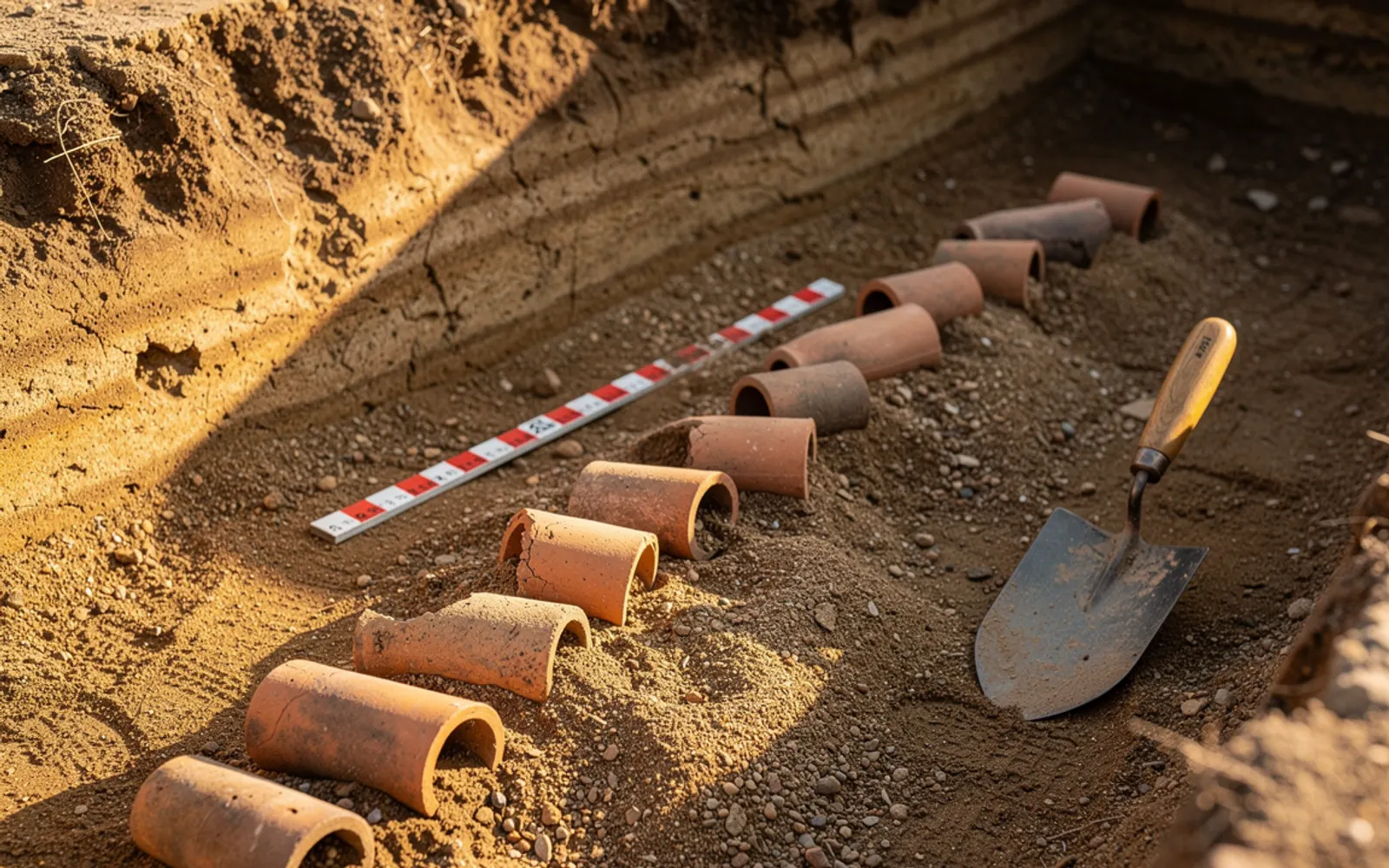 Illustration
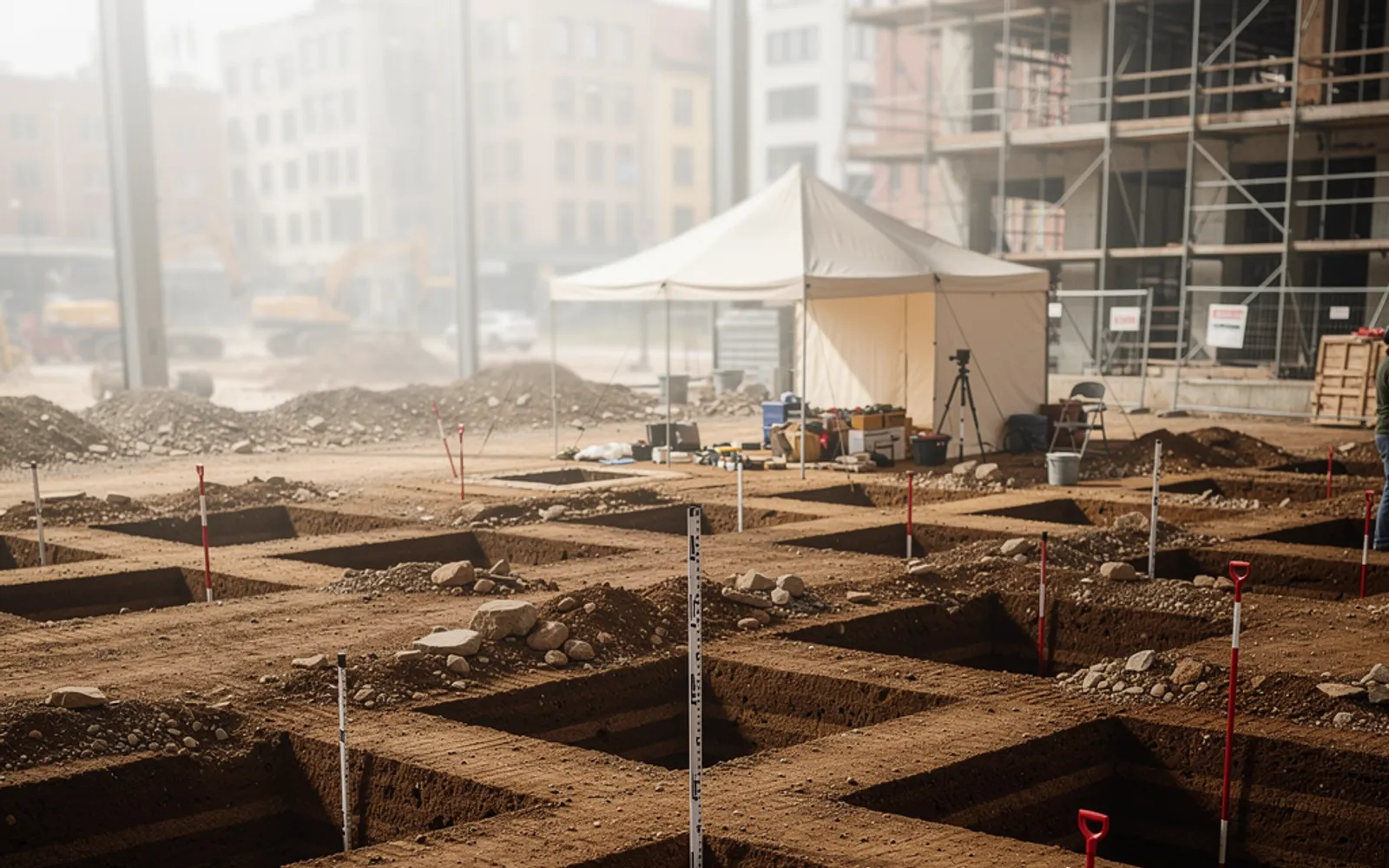
Archaeologists have uncovered a roughly 600-year-old water pipe during excavations on Posaer Berg near Zeitz. The clay pipes from the 14th century were discovered at the former Posa Monastery in the Burgenlandkreis district.
The excavation team examined the pipe along a section of about five meters. The individual sections measure around 70 centimeters in length and have a diameter of about twelve centimeters. They were fitted into one another and sealed at the joints with clay. Excavation director Holger Rode said the find demonstrates the high technical and economic development of the monastery.
According to the State Office for Heritage Management and Archaeology, early clay water pipes of this kind are rare. Previously, they were known primarily from monasteries and castles in southern Germany. An initial conduit that carried water over four kilometers to the monastery is documented in writing for the year 1168.
Further historical traces came to light during the excavations. In the southern monastery courtyard, experts came across the remains of two heating systems from the 14th century along with high-quality screed flooring. In addition, large quantities of ceramics were found at a ninth-century castle complex. The seat of the Bishopric of Zeitz was established at this site in the tenth century.
This report is based on the sources above (in German). Spotted an error? Email desk@lindenpost.com or read our corrections policy.
We use strictly necessary storage to run this site. Analytics and advertising cookies are only set with your consent. Cookie Policy
Choose which optional cookies you allow. You can change your choice at any time.
Stores your choice and keeps the site working.
Anonymous statistics on which pages are read.
Lets partners show and measure ads.